TMS depression refers to Transcranial Magnetic Stimulation (TMS), a non-invasive, evidence-based therapy used to treat adults with major depressive disorder (MDD), particularly those whose symptoms have not improved with traditional treatments.
At SNBCare, adults in Massachusetts and Rhode Island can access TMS therapy under the guidance of licensed behavioral health providers. Our approach integrates TMS with therapy, medication management, and ongoing psychiatric support to deliver comprehensive, patient-centered care.
Understanding TMS for Depression
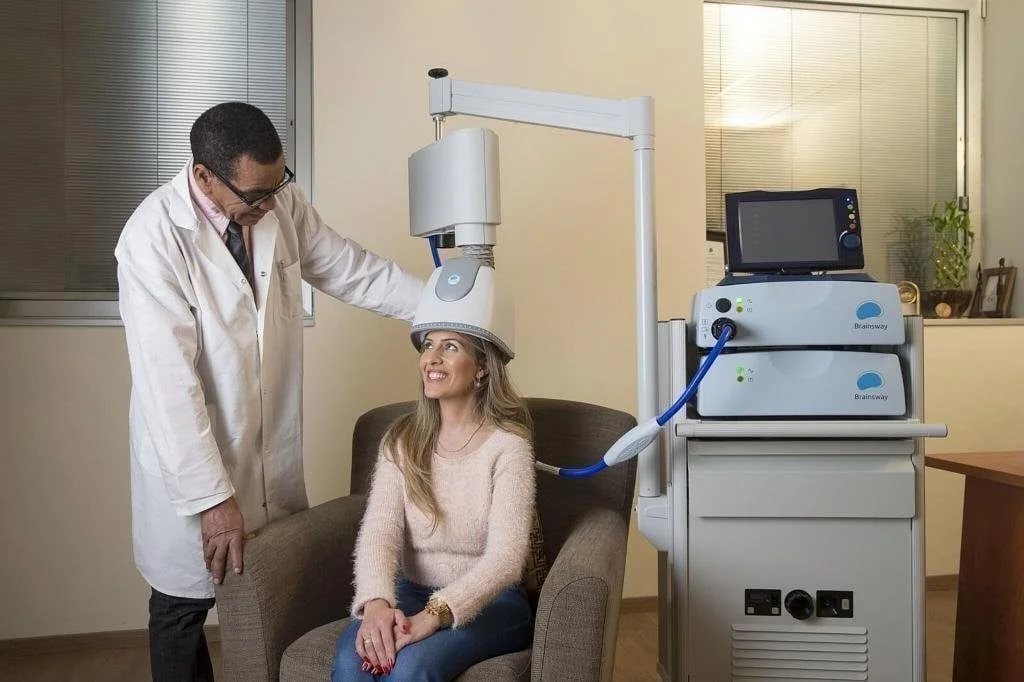
TMS uses targeted magnetic pulses to stimulate areas of the brain involved in mood regulation. Unlike oral antidepressants, TMS does not involve systemic medication or sedation. Patients remain awake and comfortable during treatment, making it a safe and non-invasive option for adults seeking alternatives to medication.
Key points about TMS therapy:
- Administered in-office under supervision of trained providers
- Non-invasive and does not require anesthesia
- Effective for adults with treatment-resistant depression
- Typically delivered over a series of sessions, each lasting under an hour
Who Can Benefit From TMS Depression Therapy
TMS depression therapy may be suitable for adults who:
- Have persistent depressive symptoms despite prior medication or therapy
- Experience functional impairments in work, home, or relationships
- Cannot tolerate side effects from antidepressant medications
- Are seeking non-invasive treatment options
- Are under the care of a licensed behavioral health provider
Providers conduct a comprehensive psychiatric evaluation to determine eligibility and ensure TMS is clinically appropriate.
How TMS Works
TMS therapy works by delivering focused magnetic pulses to specific brain regions associated with mood and emotional regulation. These pulses:
- Stimulate neural activity in areas that may be underactive in depression
- Enhance synaptic plasticity and brain connectivity
- Support the brain’s natural regulation of mood
During treatment:
- Patients remain awake
- A magnetic coil is positioned near the scalp
- Pulses are administered in controlled sequences
- Mild scalp sensations or tapping may occur
The Treatment Process at SNBCare
Initial Psychiatric Evaluation
Patients begin with a psychiatric assessment to:
- Review mental health history
- Assess severity and impact of depression
- Evaluate prior treatment responses
- Determine clinical appropriateness for TMS therapy
TMS Treatment Sessions
- Sessions typically last 30–60 minutes
- Administered over multiple visits according to a treatment plan
- Monitored by licensed clinical staff for safety and effectiveness
- Integrated with therapy and medication management when needed
Safety and Side Effects
TMS depression therapy is well-tolerated. Most adults experience mild, temporary side effects such as:
- Scalp discomfort
- Tingling sensations at the treatment site
- Mild headache
Serious side effects are rare. Providers closely monitor patients and adjust treatment plans as necessary to ensure safety.
TMS vs. Medication
TMS differs from antidepressants in several ways:
- Non-systemic and does not require daily medication
- Avoids gastrointestinal absorption issues
- Effective for patients who have not responded to traditional medications
- Can be combined with therapy or medication for integrated care
Integration With Behavioral Support
TMS works best when paired with behavioral health interventions:
- Individual therapy to address distorted thinking and coping strategies
- Telehealth options for supplemental care
- Personalized treatment plans based on symptom severity and patient goals
This integrated approach ensures patients receive comprehensive mental health support, beyond TMS alone.
Follow-Up and Monitoring
After each session, providers:
- Assess treatment response
- Adjust therapy or medications if needed
- Address emerging mental health needs
- Maintain ongoing monitoring to ensure safety and clinical effectiveness
Benefits of TMS for Depression
Adults undergoing TMS therapy may experience:
- Improvement in depressive symptoms when other treatments have failed
- Increased responsiveness to therapy and other behavioral interventions
- Support for daily functioning and coping strategies
Outcomes vary by individual, and progress is best measured under professional supervision.
Why Choose SNBCare for TMS Depression
SNBCare offers a licensed outpatient behavioral health environment with:
- Experienced psychiatrists and behavioral health providers
- Evidence-informed, patient-centered TMS therapy
- Integration with therapy, medication management, and telehealth services
- Safe, adult-focused clinics in Massachusetts and Rhode Island
Frequently Asked Questions
1. Is TMS therapy safe for everyone?
TMS is prescribed only for adults who meet clinical criteria. Providers ensure safety through careful supervision.
2. Does TMS require sedation?
No. Patients remain awake and alert during the procedure.
3. How long before I notice results?
Some adults experience improvement within several weeks of treatment, though outcomes vary.
4. Can I continue medications while receiving TMS?
Yes. Providers coordinate TMS with ongoing therapy or medication when appropriate.
5. Is TMS covered by insurance?
Coverage varies by plan. SNBCare’s care team assists patients in verifying eligibility and benefits.
Accessing TMS Depression Services
Adults interested in TMS depression therapy start with a psychiatric evaluation at SNBCare. Providers then develop an individualized treatment plan, determining the number and frequency of sessions.
Search terms like “TMS depression near me”, “transcranial magnetic stimulation depression”, or “non-invasive depression therapy” can help locate SNBCare clinics in Massachusetts and Rhode Island.
SNBCare Service Note
SNBCare provides mental health healthcare through licensed associates, psychiatrists, and therapists to adults in Massachusetts and Rhode Island. All services are evidence-informed, supportive, and subject to provider availability and clinical appropriateness. To schedule an appointment, visit www.snbcare.com or Call at 781-666-2711.
Disclaimer
This content is informational only and is sponsored by SNBCare, a licensed behavioral health provider in Massachusetts and Rhode Island. It is not a substitute for professional medical advice, diagnosis, or treatment. All treatments, including TMS therapy, must be administered by licensed providers. Services are available only to adults physically located in Massachusetts or Rhode Island at the time of their appointment.