Transcranial magnetic depression treatment, also known as Transcranial Magnetic Stimulation (TMS), is an FDA-approved, non-invasive procedure for adults experiencing major depressive disorder, particularly when traditional therapies have been ineffective. At SNBCare, TMS is offered as part of a comprehensive mental health plan, integrating therapy, psychiatric evaluation, and behavioral support to deliver personalized care.
Understanding Transcranial Magnetic Depression Treatment
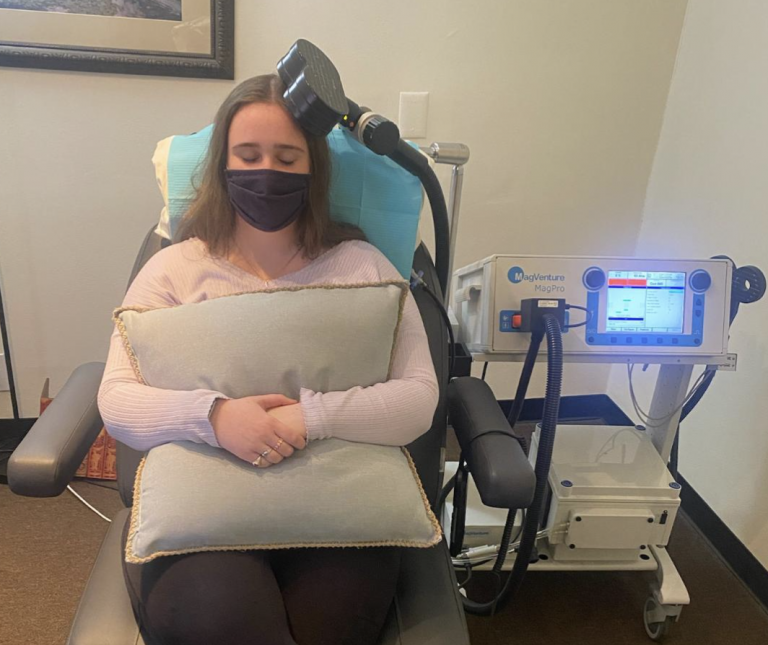
Transcranial Magnetic Stimulation (TMS) uses targeted magnetic pulses to stimulate specific areas of the brain that regulate mood. Unlike oral antidepressants, TMS avoids systemic exposure and does not require anesthesia; therefore, patients remain awake and alert throughout the procedure.
Key points about TMS therapy include:
- It is administered only in-office by certified providers, ensuring proper oversight.
- Because it is non-invasive and non-surgical, patients experience minimal disruption to daily life.
- It is reserved for adults whose depression has not responded to conventional therapies, providing an alternative when other treatments fail.
- Eligibility is determined after a comprehensive psychiatric evaluation, allowing providers to create a personalized treatment plan.
Additionally, TMS integrates seamlessly with ongoing therapy and behavioral support, enhancing overall treatment outcomes. Consequently, patients benefit from a combination of biological and therapeutic approaches for depression.