Transcranial magnetic depression treatment, also known as Transcranial Magnetic Stimulation (TMS), is an FDA-approved, non-invasive procedure for adults experiencing major depressive disorder, particularly when traditional therapies have been ineffective. At SNBCare, TMS is offered as part of a comprehensive mental health plan, integrating therapy, psychiatric evaluation, and behavioral support to deliver personalized care.
Understanding Transcranial Magnetic Depression Treatment
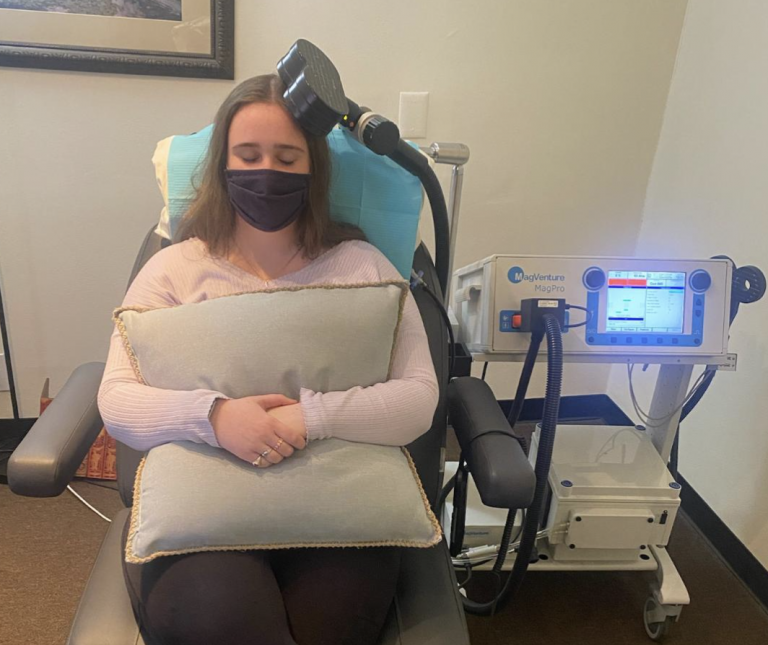
Transcranial Magnetic Stimulation (TMS) uses targeted magnetic pulses to stimulate specific areas of the brain that regulate mood. Unlike oral antidepressants, TMS avoids systemic exposure and does not require anesthesia; therefore, patients remain awake and alert throughout the procedure.
Key points about TMS therapy include:
- It is administered only in-office by certified providers, ensuring proper oversight.
- Because it is non-invasive and non-surgical, patients experience minimal disruption to daily life.
- It is reserved for adults whose depression has not responded to conventional therapies, providing an alternative when other treatments fail.
- Eligibility is determined after a comprehensive psychiatric evaluation, allowing providers to create a personalized treatment plan.
Additionally, TMS integrates seamlessly with ongoing therapy and behavioral support, enhancing overall treatment outcomes. Consequently, patients benefit from a combination of biological and therapeutic approaches for depression.
Who Can Benefit From TMS
TTMS may be appropriate for adults who meet specific criteria. For example:
- Adults with persistent depressive symptoms despite prior treatment attempts.
- Individuals experiencing impairments in daily functioning, including work, relationships, or self-care.
- Patients diagnosed with treatment-resistant depression, when conventional therapies have not been effective.
- Those willing and able to comply with in-office treatment schedules for consistent results.
Furthermore, providers conduct thorough assessments to ensure that TMS is safe and clinically appropriate for each patient. As a result, patients receive personalized care tailored to their unique needs and treatment goals.
How Transcranial Magnetic Depression Treatment Works
TMS may be appropriate for adults who meet specific criteria. For example:
- Adults with persistent depressive symptoms despite prior treatment attempts.
- Individuals experiencing impairments in daily functioning, including work, relationships, or self-care.
- Patients diagnosed with treatment-resistant depression, when conventional therapies have not been effective.
- Those willing and able to comply with in-office treatment schedules for consistent results.
Furthermore, providers conduct thorough assessments to ensure that TMS is safe and clinically appropriate for each patient. As a result, patients receive personalized care tailored to their unique needs and treatment goals.
The Treatment Process at SNBCare
Initial Psychiatric Evaluation
The process begins with a psychiatry appointment, where the provider:
- Reviews mental health and treatment history
- Evaluates prior therapy and medication response
- Assesses symptom severity and impact on daily life
- Determines clinical appropriateness for TMS
Treatment Sessions
TMS is delivered over multiple scheduled sessions, typically lasting 20–40 minutes. Patients:
- Remain awake throughout
- Receive magnetic pulses through a specialized coil
- May experience mild scalp discomfort or tapping sensations
Clinical staff monitor patients carefully, ensuring comfort and safety.
Safety and Side Effects
TMS is generally well-tolerated. Potential side effects include:
- Temporary scalp discomfort
- Mild headaches
- Tingling sensations at the treatment site
Serious adverse effects are rare, and ongoing monitoring ensures patient safety throughout the treatment course.
Integrating TMS With Other Mental Health Services
TMS is most effective when combined with:
- Individual therapy to address distorted thinking patterns
- Medication management under psychiatric guidance
- Lifestyle modifications and coping strategies
This integrated approach ensures that care is holistic, addressing biological, psychological, and behavioral factors.
Telehealth Support
While TMS itself is delivered in-office, telehealth services can complement care:
- Therapy sessions
- Symptom monitoring
- Medication guidance
Together, these services create a hybrid care model that combines the safety of in-office treatment with the convenience of remote support.
Why Choose SNBCare for Transcranial Magnetic Depression Treatment
SNBCare is a licensed outpatient behavioral health clinic serving adults in Massachusetts and Rhode Island. Our approach emphasizes:
- Evidence-informed, patient-centered care
- Licensed and experienced clinical providers
- Integrated behavioral health, therapy, and psychiatric services
- Safe, adult-focused clinical environments
Frequently Asked Questions
1. Is TMS painful?
Most patients describe mild discomfort rather than pain, which typically lessens over time.
2. How long does treatment last?
Treatment schedules vary based on clinical recommendations and individual response.
3. Can I continue medication during TMS?
Yes, in most cases, medication can be continued under provider supervision.
4. Is TMS covered by insurance?
Coverage depends on your plan. SNBCare’s administrative team helps verify eligibility and benefits.
Accessing Transcranial Magnetic Depression Treatment at SNBCare
Adults interested in TMS treatment begin with a psychiatric evaluation at SNBCare. Providers then recommend a personalized, evidence-informed treatment plan based on clinical appropriateness and patient needs.
SNBCare Service Note
SNBCare provides mental health healthcare through licensed associates, psychiatrists, and therapists to adults in Massachusetts and Rhode Island. All services are evidence-informed, supportive, and subject to provider availability and clinical appropriateness. To schedule an appointment, visit www.snbcare.com or Call at 781-666-2711.
Disclaimer
This content is for informational purposes only and is sponsored by SNBCare, a licensed behavioral health provider in Massachusetts and Rhode Island. It is not a substitute for professional medical advice, diagnosis, or treatment. TMS is administered only to adults physically present in Massachusetts or Rhode Island at the time of their appointment and under the supervision of licensed clinicians.