
Searching for TMS near me can be an important first step for adults exploring non-invasive treatment options for depression. While antidepressants and psychotherapy help many people, some adults continue to experience symptoms despite previous treatment. In these situations, a qualified mental health provider can evaluate whether Transcranial Magnetic Stimulation (TMS) may be appropriate.
At SNBCare, adults in Massachusetts and Rhode Island can access comprehensive psychiatric evaluations and personalized mental health care. When clinically appropriate, licensed providers may recommend TMS therapy as part of an individualized treatment plan. Care may also include therapy, medication management, psychiatric follow-up, and telehealth services. Throughout treatment, SNBCare maintains appropriate privacy and confidentiality practices, including HIPAA requirements.
What Is TMS Therapy?
Transcranial Magnetic Stimulation, commonly called TMS, is a non-invasive form of brain stimulation that uses magnetic pulses to influence activity in targeted areas of the brain. Unlike surgery, TMS does not require an incision, general anesthesia, or sedation.
The National Institute of Mental Health (NIMH) explains that brain stimulation therapies, including repetitive TMS, can play a role in treating depression when other treatments have not provided sufficient improvement.
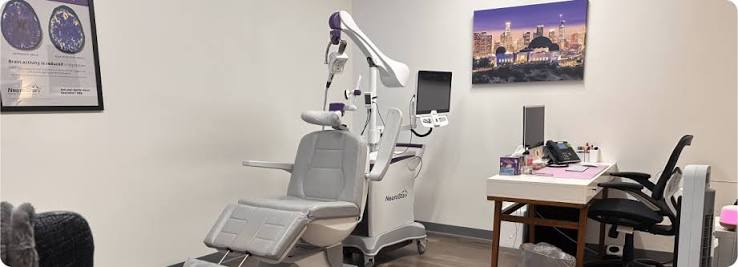
TMS treatment takes place in an outpatient clinical setting. A trained provider positions the treatment device near the patient’s head and delivers magnetic pulses according to the prescribed treatment protocol.
Because treatment suitability varies from person to person, providers conduct an evaluation before recommending TMS.
Who May Benefit From TMS Therapy?
TMS may be considered for certain adults with depression, particularly when previous treatments have not provided adequate improvement. However, a provider must evaluate each patient individually.
An evaluation may be appropriate for adults who:
- Continue to experience depressive symptoms.
- Have previously tried antidepressant medication.
- Experience symptoms that affect work, relationships, or daily activities.
- Want to explore a non-invasive treatment option.
- Can attend regularly scheduled appointments.
Additionally, providers review medical history, current medications, previous psychiatric treatment, and individual treatment goals.
The FDA’s guidance on repetitive TMS systems outlines safety considerations, indications, contraindications, warnings, precautions, and training considerations for TMS systems.
How TMS Works
TMS uses rapidly pulsed magnetic fields to stimulate targeted areas of the cerebral cortex. During treatment, patients remain awake while the provider administers the prescribed magnetic stimulation.
A typical appointment may include:
- Preparation by trained clinical staff
- Positioning of the TMS equipment
- Delivery of magnetic pulses
- Monitoring during treatment
- Follow-up assessments
Because TMS does not require general anesthesia or sedation, patients remain conscious throughout treatment. However, each treatment protocol depends on the patient’s diagnosis, clinical needs, and the specific TMS system being used.
The TMS Evaluation Process at SNBCare
Before beginning treatment, patients receive a comprehensive psychiatric evaluation. During this appointment, the provider reviews current symptoms, mental health history, previous treatments, medical history, medications, and treatment goals.
The provider also discusses available treatment options and explains what patients can expect from TMS therapy.
After the evaluation, the clinician determines whether TMS may be appropriate. If treatment is recommended, the care team develops an individualized plan based on the patient’s circumstances.
This evaluation-first approach helps keep treatment decisions focused on clinical appropriateness, safety, and patient needs.
What Happens During TMS Treatment?
TMS treatment takes place in an outpatient setting. Patients remain awake while trained clinical staff administer the treatment according to the prescribed protocol.
During a session, patients may hear clicking sounds or feel tapping sensations around the treatment area. Some people experience temporary scalp discomfort or a headache.
Treatment schedules vary based on the prescribed protocol and individual circumstances. Therefore, your provider will explain the recommended frequency and expected duration before treatment begins.
Furthermore, providers monitor progress throughout the treatment course and may adjust the care plan when clinically appropriate.
TMS and Comprehensive Mental Health Care
TMS does not necessarily replace other forms of mental health treatment. Instead, providers may incorporate it into a broader care plan.
Depending on individual needs, treatment may also include:
- Individual therapy
- Medication management
- Psychiatric follow-up
- Behavioral health support
- Telehealth mental health services
For example, therapy can help patients develop coping strategies while psychiatric follow-up allows providers to monitor symptoms and treatment response. Consequently, combining appropriate services can provide a more comprehensive approach to depression care.
Potential Benefits of TMS Therapy
Treatment outcomes vary among individuals. Some eligible adults may experience improvement in depressive symptoms and daily functioning following treatment.
Potential advantages of TMS include:
- Non-invasive treatment
- No surgical incision
- No general anesthesia
- Patients remain awake during treatment
- Outpatient administration
- Ability to incorporate treatment into a broader mental health plan
However, TMS does not guarantee a specific result. A qualified healthcare professional should evaluate each patient’s circumstances before recommending treatment.
Safety and Possible Side Effects
TMS is administered under the supervision of trained healthcare professionals. Before treatment, providers review relevant medical information and discuss potential risks and benefits.
Some patients may experience temporary effects such as:
- Scalp discomfort
- Headache
- Tingling or facial muscle sensations
- Lightheadedness in some cases
Patients should tell their provider about relevant medical conditions, medications, and implanted medical devices before treatment. Providers can then determine whether additional precautions or alternative treatment options may be necessary.
Why Choose SNBCare for TMS?
SNBCare provides outpatient mental health services for adults in Massachusetts and Rhode Island. Licensed clinicians use individualized assessments to determine which treatment options may fit each patient’s clinical needs.
Services may include:
- Comprehensive psychiatric evaluations
- TMS therapy evaluations
- TMS treatment when clinically appropriate
- Individual therapy
- Medication management
- Telehealth mental health services
- Ongoing psychiatric monitoring
Additionally, SNBCare emphasizes patient-centered care treatment while maintaining appropriate privacy and confidentiality practices.
Frequently Asked Questions
What does TMS near me mean?
The phrase generally refers to finding a qualified provider that offers Transcranial Magnetic Stimulation in a convenient location. When comparing providers, patients should consider licensing, clinical qualifications, treatment protocols, and whether the clinic provides a comprehensive evaluation.
Is TMS painful?
TMS does not involve surgery or an incision. Some patients may experience tapping sensations, scalp discomfort, or headaches during treatment. Your provider can explain what you may experience before therapy begins.
Can TMS treat depression?
TMS may be appropriate for certain adults with depression, particularly when previous treatments have not provided adequate improvement. A licensed provider must determine whether treatment is appropriate for the individual.
How long does TMS treatment take?
The number and frequency of sessions vary according to the treatment protocol and the patient’s clinical needs. Your provider will explain the recommended schedule during the evaluation.
Can I receive therapy while undergoing TMS?
In many cases, providers may incorporate therapy, medication management, or other mental health services into the overall care plan. Your clinician can determine which combination is appropriate for your needs.
Finding TMS Treatment in Massachusetts and Rhode Island
Adults searching for TMS near me, TMS therapy for depression, or non-invasive depression treatment can begin with a comprehensive psychiatric evaluation at SNBCare.
During the evaluation, a licensed provider reviews symptoms, treatment history, medical considerations, and individual goals. The provider can then discuss whether TMS may be an appropriate option and explain the next steps.
SNBCare provides personalized outpatient mental health care for adults in Massachusetts and Rhode Island. To learn more about TMS therapy or schedule an evaluation, visit SNBCare or call 781-666-2711.
Disclaimer
This article provides general educational information and does not replace professional medical advice, diagnosis, or treatment. TMS may not be appropriate for everyone. A licensed healthcare professional must evaluate each patient individually before recommending treatment. Services at SNBCare are intended for adults in Massachusetts and Rhode Island, subject to applicable licensing and clinical requirements.