Magnetic transcranial stimulation is a non-invasive mental health treatment that uses targeted magnetic pulses to stimulate areas of the brain involved in mood regulation. Although many adults benefit from traditional depression treatments, some individuals continue to experience symptoms that interfere with daily life, relationships, and emotional well-being.
Fortunately, magnetic transcranial stimulation offers an alternative treatment option for adults who need additional support for depression and other mental health conditions. At SNBCare, licensed behavioral health providers in Massachusetts and Rhode Island offer comprehensive evaluations and individualized care plans that may include magnetic transcranial stimulation as part of a broader treatment strategy.
Additionally, SNBCare combines psychiatric care, therapy, medication management, and ongoing clinical support while maintaining HIPAA-compliant standards.
What Is Magnetic Transcranial Stimulation?
Magnetic transcranial stimulation, often referred to as Transcranial Magnetic Stimulation (TMS), uses magnetic fields to stimulate specific regions of the brain associated with mood and emotional regulation.
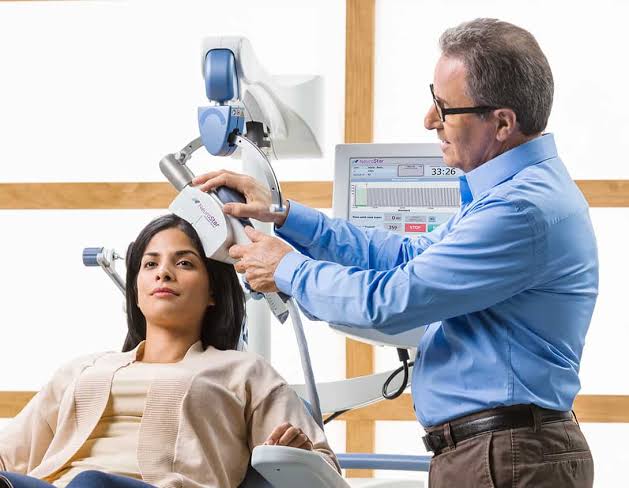
Unlike medication-based treatments, magnetic transcranial stimulation does not require surgery, sedation, or anesthesia. Instead, trained providers deliver magnetic pulses through a specialized device positioned near the scalp.
According to the National Institute of Mental Health, depression remains one of the most common mental health conditions affecting adults.
Furthermore, providers may recommend magnetic transcranial stimulation for individuals who have not achieved adequate improvement with traditional treatment approaches.
How Magnetic Transcranial Stimulation Works
Magnetic transcranial stimulation targets areas of the brain involved in mood regulation by delivering repetitive magnetic pulses.
During treatment:
- Patients remain awake and alert.
- Providers place the treatment device near the scalp.
- Magnetic pulses stimulate targeted brain regions.
- Sessions occur in a supervised clinical setting.
Additionally, clinicians monitor patients throughout treatment to ensure comfort and safety.
Because the procedure does not require anesthesia, many adults return to normal activities shortly after treatment sessions.
Who May Benefit From Magnetic Transcranial Stimulation?
In general, adults may benefit from magnetic transcranial stimulation if they:
- Experience persistent depression symptoms.
- Have not responded to multiple antidepressant medications.
- Prefer non-invasive treatment options.
- Seek additional behavioral health support.
- Want alternatives to medication-only treatment.
Moreover, psychiatric providers conduct comprehensive evaluations before recommending treatment.
Conditions That May Be Associated With Magnetic Transcranial Stimulation
Although providers frequently use magnetic transcranial stimulation for depression, clinicians may also evaluate patients experiencing:
- Major depressive disorder
- Treatment-resistant depression
- Persistent depressive symptoms
- Mood-related concerns
However, providers determine treatment recommendations through individualized clinical assessments.
The Evaluation Process at SNBCare
First, patients complete a comprehensive psychiatric evaluation that includes:
- Mental health history
- Previous treatments
- Current symptoms
- Functional challenges
- Treatment goals
Additionally, providers evaluate whether magnetic transcranial stimulation aligns with the patient’s needs and overall treatment plan.
Because every individual experiences depression differently, treatment recommendations remain highly personalized.
What Happens During Treatment?
Next, patients attend treatment sessions in a clinical setting under professional supervision.
During each session:
- Patients sit comfortably.
- Providers position the treatment device.
- Magnetic pulses stimulate targeted areas.
- Sessions typically last between 20 and 40 minutes.
Furthermore, patients remain awake throughout treatment and generally return to daily activities afterward.
Potential Benefits of Magnetic Transcranial Stimulation
Although treatment outcomes vary, some adults may experience:
- Improvement in depressive symptoms
- Increased emotional stability
- Better concentration and focus
- Enhanced participation in therapy
- Improved daily functioning
Therefore, providers often recommend combining magnetic transcranial stimulation with ongoing behavioral health support.
Safety and Side Effects
Because magnetic transcranial stimulation is non-invasive, many adults tolerate treatment well.
For example, some individuals may experience:
- Mild scalp discomfort
- Temporary headaches
- Tingling sensations
- Minor treatment-site sensitivity
However, licensed clinicians monitor patients throughout treatment and make adjustments when necessary.
According to the U.S. Food and Drug Administration, providers use FDA-cleared TMS devices according to established safety guidelines.
Therapy and Behavioral Support
Meanwhile, many adults benefit from combining magnetic transcranial stimulation with:
- Individual therapy
- Medication management
- Psychiatric care
- Behavioral health support
- Lifestyle strategies
As a result, integrated care plans often support good emotional wellness.
Telehealth Support for Patients
Additionally, telehealth services may complement in-office treatment.
Patients may receive:
- Therapy appointments
- Medication follow-ups
- Psychiatric consultations
- Progress evaluations
Consequently, telehealth services improve accessibility and continuity of care.
Why Choose SNBCare for Magnetic Transcranial Stimulation?
Moreover, SNBCare provides adult-focused behavioral health services throughout Massachusetts and Rhode Island.
Services include:
- Comprehensive psychiatric evaluations
- Magnetic transcranial stimulation evaluations
- Individual therapy
- Medication management
- Telehealth mental health services
- Ongoing clinical monitoring
Additionally, licensed clinicians focus on evidence-informed and patient-centered care.
Frequently Asked Questions
What is magnetic transcranial stimulation?
Magnetic transcranial stimulation uses magnetic pulses to stimulate brain areas associated with mood regulation.
Is magnetic transcranial stimulation invasive?
No. The procedure is non-invasive and does not require surgery or anesthesia.
How long does treatment take?
Treatment schedules vary, although sessions typically last between 20 and 40 minutes.
Can magnetic transcranial stimulation replace medication?
Providers determine treatment recommendations individually and may combine therapy, medication, and magnetic stimulation.
Is treatment safe?
Licensed providers administer treatment using FDA-cleared devices and established safety protocols.
Finding Magnetic Transcranial Stimulation Services
Adults searching for “magnetic transcranial stimulation,” “TMS therapy near me,” or “depression treatment in Massachusetts” may access behavioral health services through SNBCare.
First, patients complete a psychiatric evaluation. Next, providers develop individualized treatment plans based on symptoms, goals, and clinical needs.
To learn more about magnetic transcranial stimulation services, visit snbcare.com or call 781-666-2711.
Disclaimer
This content is for informational purposes only and does not replace professional medical advice, diagnosis, or treatment. SNBCare provides outpatient behavioral health services for adults in Massachusetts and Rhode Island. Licensed healthcare professionals determine treatment recommendations through individualized clinical evaluations.