Adults living with treatment-resistant depression may continue to experience significant symptoms despite trying conventional antidepressants. When standard treatments do not provide adequate improvement, a psychiatric provider may consider additional options. One of those options is esketamine, a prescription medication available as Spravato® nasal spray for eligible adults.
At SNBCare, adults in Massachusetts and Rhode Island can receive comprehensive psychiatric evaluations to determine whether esketamine treatment may be clinically appropriate. When appropriate, SNBCare provides REMS-compliant Spravato® treatment alongside psychiatric care, medication management, therapy, and ongoing mental health support. This coordinated approach helps providers tailor treatment to each patient’s symptoms, treatment history, and individual needs.
What Is Esketamine for Treatment-Resistant Depression?
Esketamine is a prescription medication derived from ketamine. The U.S. Food and Drug Administration (FDA) approved Spravato® (esketamine) in conjunction with an oral antidepressant for adults with treatment-resistant depression.
Treatment-resistant depression generally refers to depression that has not improved adequately after treatment with at least two antidepressants. The National Institute of Mental Health (NIMH) identifies esketamine as an FDA-approved treatment option for adults with treatment-resistant depression.
Unlike traditional antidepressants that primarily affect monoamine neurotransmitters, esketamine acts on the brain’s glutamate system through NMDA receptor activity. This different mechanism has made it an important treatment option for some adults who have not responded adequately to previous medications.
However, esketamine does not work for everyone. A licensed provider must evaluate each patient before recommending treatment.
Who May Be a Candidate for Esketamine Treatment?
Esketamine may be considered for adults who continue to experience symptoms despite previous depression treatment. However, providers assess eligibility individually rather than relying on symptoms alone.
An evaluation may consider whether an adult:
- Has a diagnosis of treatment-resistant depression
- Has tried appropriate antidepressant treatments without adequate improvement
- Continues to experience significant depressive symptoms
- Can attend supervised treatment appointments
- Can follow the required monitoring and post-treatment instructions
- Has medical circumstances that allow treatment
Additionally, providers review current medications, medical history, psychiatric history, and previous treatment response.
Because esketamine has important safety considerations, a comprehensive psychiatric evaluation remains an essential first step.
How Esketamine Works
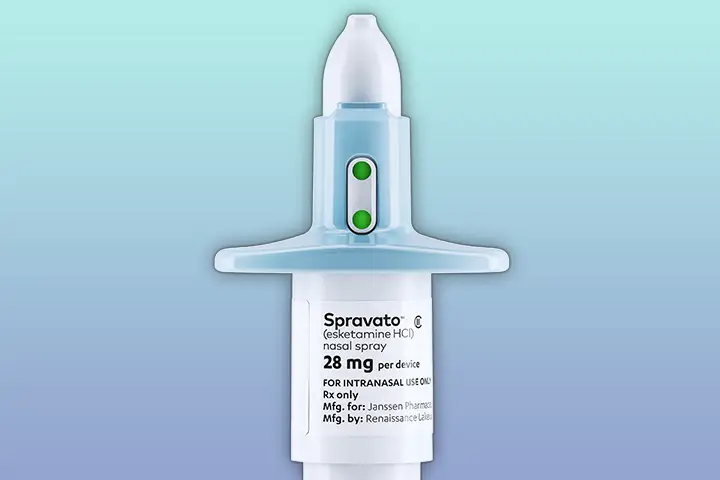
Spravato® contains esketamine and comes as a nasal spray. Unlike conventional antidepressants taken at home, healthcare providers administer Spravato® under direct supervision in a certified treatment setting.
Esketamine affects the glutamate system, which plays an important role in communication between nerve cells. Research into ketamine and related medications has helped scientists better understand potential rapid-acting approaches to depression treatment.
Patients should not expect the same response or timeline because treatment outcomes vary. Therefore, providers monitor symptoms throughout treatment and evaluate whether continued therapy remains appropriate.
The Esketamine Evaluation Process at SNBCare
Treatment begins with a comprehensive psychiatric evaluation. During the appointment, the provider reviews:
- Current depressive symptoms
- Previous antidepressant treatments
- Mental health history
- Medical history
- Current medications
- Treatment response
- Daily functioning
- Individual treatment goals
The provider also discusses available treatment options and explains what patients can expect from supervised esketamine treatment.
If the evaluation indicates that Spravato® may be appropriate, the clinical team develops an individualized treatment plan.
This evaluation-first approach allows providers to consider both potential benefits and safety considerations before treatment begins.
What Happens During an Esketamine Appointment?
Spravato® is administered as a nasal spray under the supervision of a healthcare provider. Patients remain at the clinic after administration while trained staff monitor them.
According to the FDA prescribing information, patients require monitoring for at least two hours after each dose because sedation, dissociation, and other reactions can occur.
During an appointment, patients may:
- Receive the prescribed nasal spray under supervision
- Have their blood pressure checked
- Remain in the treatment area for observation
- Discuss any symptoms or concerns with clinical staff
- Receive instructions for post-treatment care
Patients should arrange transportation and follow their provider’s instructions about driving and other activities after treatment.
Esketamine and Comprehensive Depression Care
Esketamine does not have to stand alone as a patient’s only mental health service. Providers may incorporate it into a broader treatment plan based on individual clinical needs.
Additional care may include:
- Individual therapy
- Medication management
- Psychiatric follow-up
- Behavioral health support
- Telehealth services
- Ongoing symptom monitoring
For example, therapy can help patients develop coping strategies while psychiatric appointments allow providers to monitor treatment response. Consequently, combining appropriate services can provide a more comprehensive approach to managing depression.
Potential Benefits of Esketamine Treatment
Every patient responds differently to treatment. Some eligible adults may experience relatively rapid changes in depressive symptoms compared with traditional antidepressant treatment. NIMH notes that esketamine can act rapidly and that research has supported its use for treatment-resistant depression.
Potential benefits may include:
- An additional treatment option after inadequate response to antidepressants
- A different mechanism of action from many traditional antidepressants
- Potentially faster symptom improvement for some patients
- Supervised administration by healthcare professionals
- Integration with ongoing psychiatric and behavioral health care
Nevertheless, treatment does not guarantee a particular outcome. Providers evaluate progress regularly and determine whether continued treatment remains appropriate.
Safety and Possible Side Effects
Esketamine requires careful medical supervision. The FDA prescribing information includes warnings about sedation, dissociation, respiratory depression, and abuse or misuse. Spravato® is therefore available only through the restricted SPRAVATO REMS program.
Possible side effects can include:
- Dizziness
- Sedation or sleepiness
- Nausea
- Temporary dissociation
- Increased blood pressure
- Headache
- Feeling disconnected from surroundings
Before treatment, providers review relevant medical conditions, medications, and contraindications. They also monitor patients after administration and provide appropriate post-treatment instructions.
Why Choose SNBCare for Esketamine Treatment?
SNBCare provides outpatient mental health services for adults in Massachusetts and Rhode Island. Our licensed clinicians use comprehensive evaluations to determine which treatment options may fit each patient’s clinical needs.
Services may include:
- Comprehensive psychiatric evaluations
- REMS-compliant Spravato® treatment
- Individual therapy
- Medication management
- Telehealth mental health services
- Ongoing psychiatric monitoring
- Treatment planning for treatment-resistant depression
Additionally, SNBCare emphasizes personalized care while maintaining appropriate privacy and confidentiality practices.
Frequently Asked Questions
What is esketamine for treatment-resistant depression?
Esketamine is a prescription medication approved for use with an oral antidepressant in adults with treatment-resistant depression. Providers determine eligibility through an individualized clinical evaluation.
Is esketamine the same as ketamine?
No. Esketamine is a specific form of ketamine and is available as the prescription nasal spray Spravato®. FDA-approved esketamine has specific indications, dosing requirements, and safety restrictions.
Can I use Spravato® at home?
No. Spravato® must be administered under supervision in a healthcare setting certified through the SPRAVATO REMS program. Patients remain under observation after administration.
How quickly can esketamine work?
Esketamine can act more rapidly than many traditional antidepressants, and some patients may notice changes in symptoms relatively quickly. However, individual responses vary, so providers monitor progress throughout treatment.
Can I receive therapy while using esketamine?
Yes. Providers may incorporate therapy and other psychiatric services into an individualized treatment plan when clinically appropriate.
Finding Esketamine Treatment for Treatment-Resistant Depression
Adults searching for esketamine for treatment-resistant depression, Spravato® treatment, or additional options after unsuccessful antidepressant treatment can begin with a comprehensive psychiatric evaluation at SNBCare.
During the evaluation, a licensed provider reviews symptoms, previous treatments, medical considerations, and individual goals. If appropriate, the provider can discuss whether supervised Spravato® treatment may be part of the patient’s care plan.
SNBCare provides personalized outpatient mental health services for adults in Massachusetts and Rhode Island. To learn more about esketamine treatment or schedule an evaluation, visit SNBCare or call 781-666-2711.
Disclaimer
This article provides general educational information and does not replace professional medical advice, diagnosis, or treatment. Spravato® (esketamine) is a prescription medication with specific indications, contraindications, warnings, and monitoring requirements. A licensed healthcare professional must evaluate each patient individually before recommending treatment. Services at SNBCare are intended for adults in Massachusetts and Rhode Island, subject to applicable licensing and clinical requirements.