Magnetic Transcranial Stimulation (TMS) is a clinically supported, non-invasive treatment used to help adults with major depressive disorder, especially when symptoms do not improve with traditional antidepressant medications or psychotherapy.
At SNBCare, adults in Massachusetts and Rhode Island can access TMS as part of a comprehensive mental health treatment plan. In addition, providers integrate TMS with psychiatric care and behavioral health support to ensure a structured and patient-centered approach.
Understanding Magnetic Transcranial Stimulation
Magnetic Transcranial Stimulation uses targeted magnetic pulses to stimulate specific areas of the brain involved in mood regulation. These brain regions may become underactive in individuals experiencing depression.
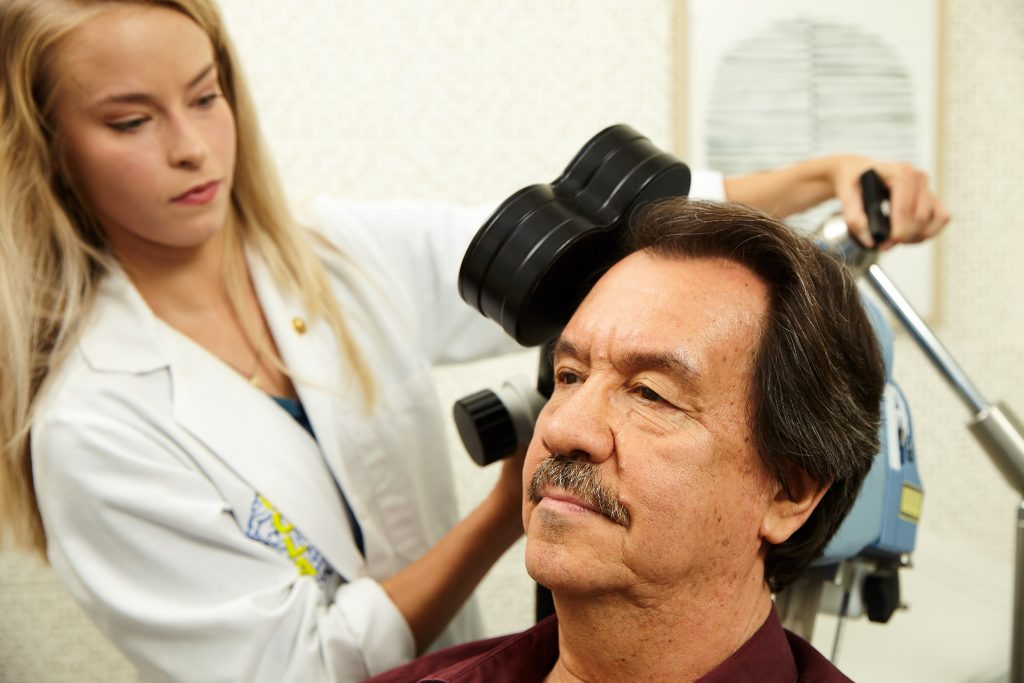
Unlike oral antidepressants, TMS does not involve systemic medication. Instead, it directly targets neural activity in the brain. As a result, patients remain awake and alert during each session and do not require anesthesia or sedation.
Importantly, trained providers deliver this treatment in a controlled outpatient setting to ensure safety and precision.
How Magnetic Transcranial Stimulation Works
TMS works by delivering repetitive magnetic pulses through a specialized device placed near the scalp. These pulses stimulate nerve cells in regions of the brain linked to mood and emotional regulation.
In turn, this stimulation helps improve communication between brain networks that may function less efficiently in depression. Over time, this process may support improved mood and emotional stability.
Additionally, treatment follows a structured protocol, and each session typically lasts between 20 to 40 minutes. Patients remain awake throughout the procedure and can return to normal activities afterward.
Who Can Benefit From Magnetic Transcranial Stimulation
Magnetic Transcranial Stimulation may be appropriate for adults who:
- Experience persistent depressive symptoms despite prior treatment attempts
- Have not responded adequately to antidepressant medications
- Struggle with daily functioning, including work, relationships, or self-care
- Prefer a non-invasive treatment option
- Have undergone a psychiatric evaluation confirming clinical suitability
Furthermore, providers carefully assess each patient to determine whether TMS is safe and appropriate for their condition. As a result, treatment remains individualized and clinically guided.
The Treatment Process at SNBCare
Initial Evaluation
First, patients complete a psychiatric evaluation with a licensed provider. During this assessment, the clinician:
- Reviews mental health history
- Evaluates prior treatment responses
- Assesses current symptoms and severity
- Determines eligibility for TMS therapy
Based on this evaluation, providers develop a personalized treatment plan tailored to the patient’s needs.
Treatment Sessions
Once approved, patients begin scheduled TMS sessions. Typically:
- Sessions occur several times per week
- Each session lasts under an hour
- Patients remain awake and comfortable throughout
- No anesthesia or recovery time is required
In addition, clinical staff monitor each session to ensure safety and consistency.
Safety and Side Effects
Magnetic Transcranial Stimulation is generally well tolerated. However, some individuals may experience mild side effects, including:
- Scalp discomfort at the treatment site
- Mild headaches
- Tingling or tapping sensations during stimulation
Fortunately, these effects are usually temporary and tend to decrease over time. Moreover, serious side effects are rare when treatment follows established clinical guidelines.
TMS vs. Medication
Magnetic Transcranial Stimulation differs from antidepressant medications in several important ways:
- First, it does not involve daily systemic medication use
- Second, it targets specific brain regions rather than affecting the whole body
- Additionally, it may be an option when medications have not been effective
- Finally, it can be combined with therapy and medication for integrated care
Therefore, TMS often serves as part of a broader, multimodal treatment approach.
Integration With Behavioral Health Support
TMS works best when combined with other mental health services. For example:
- Individual therapy sessions support emotional processing and coping skills
- Medication management may complement brain stimulation therapy
- Telehealth services improve continuity of care
- Behavioral strategies support long-term mental wellness
As a result, patients receive a more comprehensive and coordinated treatment experience.
Benefits of Magnetic Transcranial Stimulation
Adults undergoing TMS therapy may experience:
- Reduction in depressive symptoms when other treatments have failed
- Improved responsiveness to therapy and behavioral interventions
- Better emotional regulation and daily functioning
However, outcomes vary from person to person, and progress should always be evaluated under professional supervision.
Why Choose SNBCare for TMS
SNBCare provides TMS therapy in a structured outpatient setting with:
- Licensed and experienced psychiatric providers
- Evidence-informed treatment planning
- Integrated therapy and medication management
- Adult-focused care in Massachusetts and Rhode Island
In addition, SNBCare emphasizes safety, personalization, and continuity of care throughout the treatment process.
Frequently Asked Questions
1. Is Magnetic Transcranial Stimulation painful?
Most patients describe mild discomfort rather than pain, which usually decreases over time.
2. How long does treatment take?
Treatment duration varies, but many patients attend sessions for several weeks based on clinical recommendations.
3. Can I continue medication during TMS?
Yes, in many cases. Providers determine this based on individual treatment plans.
4. Is TMS covered by insurance?
Coverage depends on the insurance provider and plan. SNBCare assists with verification when needed.
Accessing Magnetic Transcranial Stimulation
Adults interested in TMS begin with a psychiatric evaluation at SNBCare. After assessment, providers determine whether TMS is appropriate and design a personalized care plan.
Additionally, patients searching for “magnetic transcranial stimulation near me” or “TMS therapy for depression” can be guided to SNBCare services in Massachusetts and Rhode Island.
SNBCare Service Note
SNBCare provides mental health healthcare through licensed associates, psychiatrists, and therapists to adults in Massachusetts and Rhode Island. All services are evidence-informed, supportive, and subject to provider availability and clinical appropriateness. To schedule an appointment, visit www.snbcare.com or Call at 781-666-2711.
Disclaimer
This content is for informational purposes only and is sponsored by SNBCare, a licensed behavioral health provider in Massachusetts and Rhode Island. It is not a substitute for professional medical advice, diagnosis, or treatment. All treatments, including Magnetic Transcranial Stimulation, must be provided by licensed clinicians and are available only to adults physically located in Massachusetts or Rhode Island at the time of service.