Transcranial magnetic stimulation therapy for depression refers to an evidence-based, non-invasive treatment for adults with major depressive disorder, particularly those who have not responded to conventional antidepressants or therapy. At SNBCare, adults in Massachusetts and Rhode Island can access TMS therapy through licensed providers, integrated with behavioral health support, therapy, and psychiatric care for a comprehensive, patient-centered approach.
Understanding Transcranial Magnetic Stimulation (TMS)
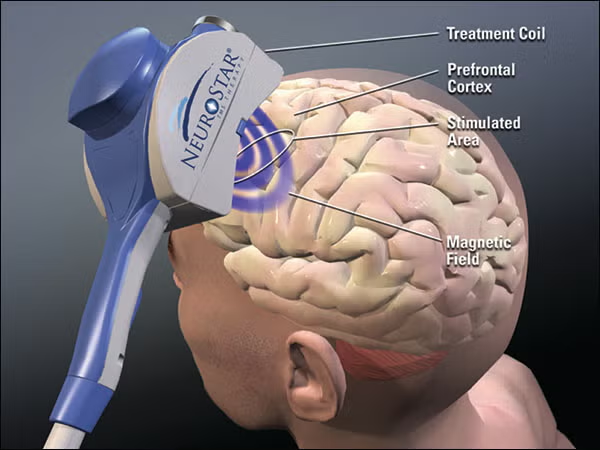
TMS therapy involves using a magnetic coil to deliver focused magnetic pulses to specific areas of the brain that regulate mood. Unlike oral medications, TMS directly stimulates underactive neural circuits without systemic side effects.
Key points about TMS therapy:
- Non-invasive and outpatient-based
- No anesthesia or sedation required
- Administered only in-office by trained clinical staff
- Designed for adults with depression who have had limited responses to antidepressant medications
Consequently, TMS offers an alternative for adults seeking a non-pharmacologic treatment that complements therapy and psychiatric care.
Who Can Benefit From TMS Therapy
TMS therapy may be suitable for adults who:
- Have a diagnosis of major depressive disorder
- Have not responded adequately to one or more antidepressant trials
- Experience side effects from antidepressants
- Seek a non-invasive alternative to medication
- Are under the care of a licensed behavioral health provider
Therefore, eligibility is determined through a comprehensive psychiatric evaluation to ensure clinical appropriateness and safety.
How TMS Therapy Works
TMS therapy works by stimulating brain regions associated with mood regulation:
- Focused Magnetic Pulses: Magnetic energy targets underactive neural circuits in the prefrontal cortex.
- Neuroplasticity Enhancement: Stimulation promotes neuronal connectivity and synaptic plasticity.
- Integrated Care: TMS is most effective when combined with ongoing therapy, psychiatric evaluation, and behavioral support.
Importantly, TMS is not a stand-alone therapy. Integrating TMS with other treatments maximizes outcomes and supports long-term mental wellness.
The Treatment Process at SNBCare
Initial Psychiatric Evaluation
Treatment begins with a psychiatric appointment where providers:
- Review mental health history
- Discuss previous treatments and response
- Assess symptom severity and functional impact
- Determine clinical suitability for TMS therapy
Only adults physically present in Massachusetts or Rhode Island at the time of their session are eligible, in accordance with state licensing regulations.
TMS Treatment Sessions
TMS therapy sessions are scheduled according to a personalized plan:
- Typically conducted five days per week
- Each session lasts approximately 20–40 minutes
- Patients remain awake and seated comfortably
- Magnetic coil is positioned near the scalp, delivering controlled pulses
Moreover, patients may experience mild scalp discomfort or tapping sensations, which are explained during the consent process.
Monitoring and Follow-Up
Throughout treatment, providers:
- Track symptom response and functional improvement
- Adjust treatment schedules if necessary
- Address any emerging mental health concerns
Thus, patients receive safe and individualized care.
Safety and Side Effects
TMS therapy is generally well-tolerated. Common side effects include:
- Mild scalp discomfort at the stimulation site
- Temporary headache
- Tingling sensations
Rare side effects may include seizure in highly unusual cases, which is minimized by following published safety protocols. Continuous monitoring ensures patient safety throughout the process.
TMS Therapy vs. Medication
TMS differs from antidepressants in several ways:
- Does not involve systemic drug exposure
- No gastrointestinal absorption or metabolism issues
- May be used when medications are ineffective or poorly tolerated
- Can complement medication and therapy as part of an integrated care plan
Consequently, TMS provides a targeted, non-invasive option for adults seeking alternative depression treatments.
Integrating TMS with Therapy
TMS therapy is not a replacement for psychotherapy. Many patients continue individual therapy while receiving TMS:
- Addresses cognitive patterns and coping strategies
- Enhances emotional regulation
- Provides a holistic approach by combining biological and therapeutic modalities
Therefore, TMS functions as a component of a broader mental health treatment plan.
Telehealth and TMS Therapy
Although TMS sessions are in-office, telehealth may support:
- Initial consultations
- Follow-up psychiatric appointments
- Behavioral therapy sessions
This hybrid model allows adults to maintain continuity of care while minimizing travel and scheduling challenges. Telehealth services are available only to adults physically located in Massachusetts or Rhode Island at the time of the appointment.
Why Choose SNBCare for TMS Therapy
SNBCare is a licensed outpatient behavioral health clinic providing evidence-informed care for adults in Massachusetts and Rhode Island. Our approach includes:
- Licensed, experienced clinicians
- Ethical, patient-centered care
- Integrated TMS therapy with behavioral support and psychiatric services
- Comprehensive evaluation, planning, and follow-up
- Safe, adult-focused outpatient clinics
Additionally, SNBCare prioritizes monitoring, safety, and individualized care planning to optimize treatment outcomes.
Frequently Asked Questions About TMS Therapy
1. Is TMS therapy painful?
Most patients report only mild discomfort or tapping sensations. Discomfort usually decreases with subsequent sessions.
2. How long is each session?
Sessions typically last 20–40 minutes, with treatment plans spanning several weeks depending on clinical recommendations.
3. Can I continue antidepressants while receiving TMS?
Yes. TMS can complement ongoing medication under provider supervision.
4. Are results immediate?
Some adults notice improvement within weeks, while others experience gradual changes over the treatment course.
5. Is TMS therapy covered by insurance?
Coverage varies by plan. SNBCare’s care coordination team assists with benefits verification.
Accessing TMS Therapy at SNBCare
Adults interested in TMS therapy begin with a psychiatric evaluation at SNBCare. Providers assess clinical history, symptom severity, and overall suitability, then develop a tailored treatment plan.
Search terms such as “transcranial magnetic stimulation therapy for depression,” “TMS therapy near me,” or “TMS depression treatment” may guide adults to SNBCare clinics in Massachusetts and Rhode Island.
SNBCare Service Note
SNBCare provides mental health healthcare through licensed associates, psychiatrists, and therapists to adults in Massachusetts and Rhode Island. All services are evidence-informed, supportive, and subject to provider availability and clinical appropriateness. To schedule an appointment, visit www.snbcare.com or Call at 781-666-2711.
Disclaimer
This content is for informational purposes only and is sponsored by SNBCare, a licensed behavioral health provider in Massachusetts and Rhode Island. It is not a substitute for professional medical advice, diagnosis, or treatment. TMS therapy is administered under the supervision of licensed providers and is available only to adults physically located in Massachusetts or Rhode Island at the time of their appointment.