TMS to treat depression refers to the use of Transcranial Magnetic Stimulation (TMS), an FDA-approved, non-invasive therapy for adults experiencing major depressive disorder, particularly when conventional treatments like medications or therapy have not provided sufficient relief.
At SNBCare, adults in Massachusetts and Rhode Island can access TMS therapy through licensed providers within a comprehensive mental health office. Care integrates TMS with therapy, psychiatric support, and individualized treatment planning to ensure safe and patient-centered outcomes.
Understanding TMS for Depression
Transcranial Magnetic Stimulation (TMS) uses focused magnetic pulses to stimulate specific regions of the brain involved in mood regulation. Unlike medications, TMS acts directly on brain circuits rather than systemic neurotransmitters.
Key points about TMS therapy:
- Administered in-office by trained clinicians
- Non-invasive and does not require anesthesia
- Suitable for adults with treatment-resistant depression
- Integrated with behavioral therapy and psychiatric monitoring
Importantly, eligibility for TMS is determined after a thorough psychiatric evaluation to ensure clinical appropriateness and safety.
Who Can Benefit From TMS
Adults may be considered for TMS therapy if they:
- Have major depressive disorder that has not improved with multiple medication trials
- Experience persistent depressive symptoms affecting work, home, or relationships
- Seek a non-medication, non-invasive option
- Are under the care of a licensed behavioral health provider
Consequently, providers at SNBCare evaluate each patient individually to determine suitability and create a tailored treatment plan.
How TMS Works
TMS therapy stimulates underactive areas of the brain using magnetic pulses. These pulses enhance neural activity and synaptic plasticity, improving emotional regulation and mood.
Furthermore, TMS does not require sedation, and adults can resume normal daily activities immediately following each session. Typically, therapy consists of multiple sessions scheduled over several weeks, with the exact regimen determined based on individual needs.
The TMS Treatment Process at SNBCare
Initial Psychiatric Evaluation
The process begins with a psychiatry appointment where the provider:
- Reviews mental health history and prior treatments
- Assesses symptom severity and functional impact
- Determines clinical appropriateness for TMS therapy
Only adults physically located in Massachusetts or Rhode Island at the time of their appointment are eligible, in compliance with state licensing laws.
TMS Sessions
TMS therapy involves the following:
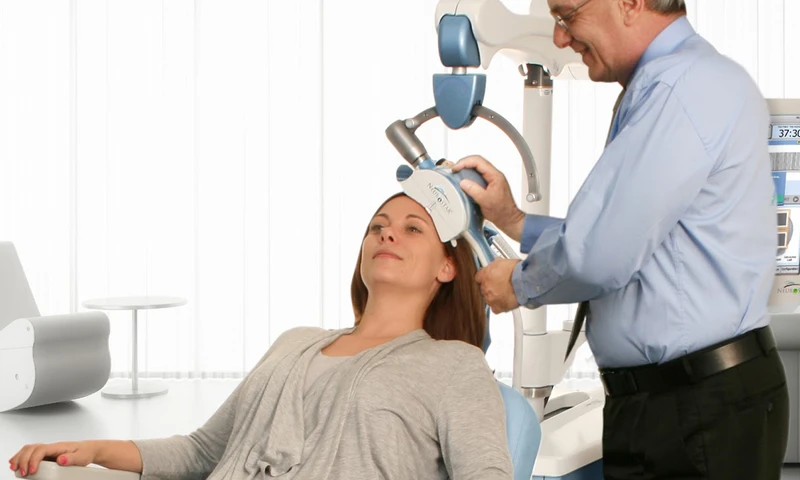
- Patient sits comfortably while a magnetic coil is placed near the scalp
- Targeted magnetic pulses stimulate specific brain regions
- Each session lasts approximately 20–40 minutes
- Sessions are typically scheduled 5 days per week over several weeks
Patients may experience mild scalp discomfort or tapping sensations, which are addressed during the consent process.
Integration With Therapy and Behavioral Support
TMS works best when combined with other interventions:
- Individual therapy sessions to address cognitive and emotional patterns
- Behavioral coaching to develop coping strategies
- Personalized treatment planning tailored to symptom severity
Therefore, TMS is part of a holistic approach, not a standalone solution.
Follow-Up and Monitoring
Regular monitoring ensures safety and effectiveness. Providers schedule follow-ups to:
- Evaluate symptom response
- Adjust treatment plans as needed
- Address emerging mental health concerns
By maintaining consistent monitoring, SNBCare ensures that TMS therapy aligns with each patient’s evolving needs.
Potential Benefits of TMS for Depression
Adults receiving TMS therapy may experience:
- Improvement in depressive symptoms, sometimes when medications fail
- Enhanced responsiveness to psychotherapy and behavioral interventions
- Non-invasive, medication-free treatment option
However, outcomes vary by individual, and improvements are best assessed under professional supervision.
Safety and Side Effects
TMS is generally safe and well-tolerated. Potential side effects may include:
- Mild scalp discomfort
- Temporary headache
- Tingling or tapping sensations
Importantly, serious adverse effects are rare, and all sessions are administered under the supervision of trained clinical staff.
TMS vs. Medication
TMS differs from pharmacologic therapy in several ways:
- Directly targets brain circuits involved in mood
- Non-systemic, avoiding drug-related side effects
- Can be combined with medications and therapy for a comprehensive approach
Thus, TMS offers a valuable alternative for adults who cannot tolerate medications or have experienced limited responses.
The Role of Behavioral Health Providers
Licensed behavioral health providers coordinate care throughout TMS therapy, including:
- Assessing eligibility
- Monitoring progress
- Adjusting treatment plans as needed
- Integrating therapy and psychiatric care
Consequently, care remains collaborative and patient-centered.
Telehealth Support for TMS Patients
While TMS sessions must occur in-office, SNBCare offers telehealth support for:
- Therapy sessions
- Follow-up psychiatric appointments
- Symptom tracking and progress monitoring
This hybrid model ensures convenience, continuity, and comprehensive support.
Why Choose SNBCare for TMS Therapy
SNBCare is a licensed outpatient behavioral health office serving adults in Massachusetts and Rhode Island. Our TMS program features:
- Experienced, licensed providers
- Integrated psychiatric and therapy services
- Individualized, evidence-informed treatment plans
- Safe, adult-focused clinic environments
Moreover, SNBCare ensures patients receive ethical, patient-centered care aligned with their clinical needs.
Frequently Asked Questions
1. Is TMS painful?
Most patients report mild discomfort rather than pain, which typically decreases over sessions.
2. How long does treatment last?
Each session is approximately 20–40 minutes, with courses spanning several weeks.
3. Can I continue medications during TMS?
Yes, in many cases, TMS complements ongoing pharmacologic treatment.
4. Are there side effects?
Side effects may include mild scalp discomfort or headache. Serious reactions are rare.
5. Does insurance cover TMS?
Coverage varies. SNBCare’s care coordination team assists with benefits verification.
Accessing TMS Therapy at SNBCare
Adults interested in TMS for depression begin with a psychiatric evaluation at SNBCare. Providers then recommend an individualized treatment plan.
Search terms like “TMS to treat depression,” “transcranial magnetic stimulation near me,” or “non-medication depression treatment” can guide patients to SNBCare’s Massachusetts and Rhode Island clinics. To schedule an appointment contact us at 781-666-2711 or visit www.snbcare.com.
Disclaimer
This content is for informational purposes only and is sponsored by SNBCare, a licensed behavioral health provider serving adults in Massachusetts and Rhode Island. It does not constitute medical advice, diagnosis, or treatment. TMS therapy is available only to adults physically located in Massachusetts or Rhode Island at the time of their appointment. All treatments must be administered under the guidance of licensed healthcare professionals.