
Magnetic treatment for depression offers an evidence-based, non-invasive therapy for adults whose depressive symptoms have not improved with other methods. Individuals seeking complementary mental health strategies beyond traditional therapy or medication may benefit from this approach.
At SNBCare, we provide magnetic treatment for depression within our outpatient behavioral health setting. We carefully evaluate each patient to ensure safety, clinical appropriateness, and alignment with individual treatment goals.
Understanding Magnetic Treatment for Depression
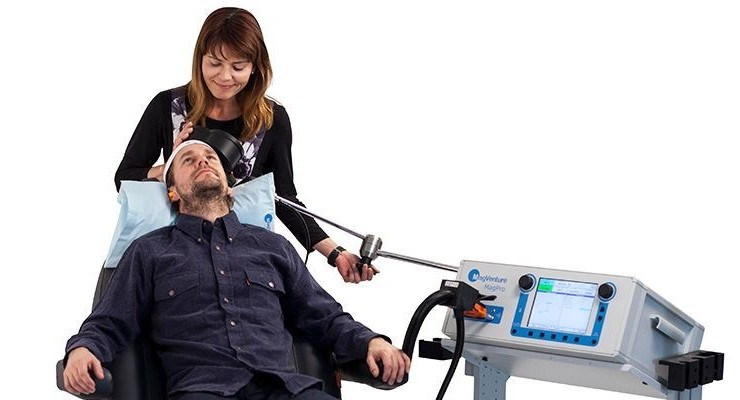
Magnetic treatment for depression typically refers to Transcranial Magnetic Stimulation (TMS). This non-surgical procedure uses targeted magnetic pulses to stimulate areas of the brain involved in mood regulation.
Unlike medications, magnetic therapy does not involve systemic exposure or anesthesia. Patients remain awake and sit comfortably throughout the session.
Clinicians consider magnetic treatment for depression in adults with major depressive disorder who have experienced limited responses to conventional mental health therapies.
How Magnetic Treatment for Depression Works
Magnetic treatment works by delivering focused pulses to brain regions that regulate mood and emotion. These pulses stimulate neural activity in areas that may be underactive in adults experiencing depression.
Trained clinical staff operate specialized devices and follow strict safety protocols for every session. Importantly, the treatment does not require sedation, allowing patients to resume normal daily activities immediately afterward.
Who May Benefit From Magnetic Treatment for Depression
Magnetic treatment for depression may be considered for adults who:
- Have a diagnosis of major depressive disorder
- Have not responded adequately to antidepressant medications
- Have experienced intolerable side effects from medication
- Are seeking a non-invasive treatment option
- Are under the care of a licensed behavioral health provider
Eligibility is determined through a comprehensive psychiatric evaluation and clinical review.
Magnetic Treatment for Depression and Treatment-Resistant Depression
Some adults experience treatment-resistant depression, meaning their symptoms persist despite multiple interventions. In such cases, magnetic therapy provides an additional option for addressing these persistent depressive symptoms.
At SNBCare, magnetic treatment is not a cure but a supportive tool within a holistic approach to mental health care.
What to Expect During Magnetic Treatment for Depression
Initial Evaluation
Before beginning magnetic treatment for depression, patients undergo a detailed psychiatric evaluation. This assessment includes:
- Review of mental health history
- Discussion of prior treatments
- Evaluation of current symptoms
- Determination of clinical appropriateness
Only patients who meet established criteria proceed with treatment.
Treatment Sessions
Magnetic treatment for depression is delivered over a series of scheduled sessions. Each session typically lasts under an hour and follows a standardized protocol.
During treatment:
- Patients remain awake
- No anesthesia is required
- A magnetic coil is positioned near the scalp
- Magnetic pulses are administered in controlled sequences
Patients may experience mild scalp discomfort or tapping sensations, which staff explain beforehand.
Safety and Side Effects of Magnetic Treatment for Depression
Magnetic treatment is generally well-tolerated when delivered according to clinical guidelines. Possible side effects include:
Possible side effects may include:
- Temporary scalp discomfort
- Mild headache
- Tingling sensations at the treatment site
Serious side effects are rare. Clinicians monitor patients closely and adjust protocols as needed.
Magnetic Treatment for Depression vs. Medication
Magnetic therapy differs from antidepressants in several ways:
- It does not involve daily systemic medication use
- It does not rely on gastrointestinal absorption
- It may be considered when medications are ineffective or poorly tolerated
Importantly, magnetic therapy can complement medication and therapy as part of an integrated care plan.
Magnetic Treatment for Depression and Therapy
Magnetic treatment does not replace psychotherapy. Many patients continue individual therapy while receiving magnetic therapy.
Therapy supports patients in managing emotions and developing effective coping strategies. Combining biological and therapeutic approaches creates a more comprehensive mental health solution.
The Role of the Behavioral Health Provider
Licensed behavioral health providers play a central role throughout treatment. They:
- Determining eligibility
- Monitoring progress
- Adjusting treatment plans as needed
- Coordinating care across services
Decisions are collaborative and patient-centered.
Telehealth and Magnetic Treatment for Depression
While magnetic therapy requires in-person sessions, telehealth services can support treatment. These may include:
- Initial consultations
- Follow-up appointments
- Medication management
- Therapy sessions
Telehealth is available only for adults physically located in Massachusetts or Rhode Island during the appointment.
Magnetic Treatment for Depression and Sleep Health
Depression often coexists with sleep concerns. At SNBCare, behavioral health clinicians collaborate with an in-house sleep psychiatrist (MD) to address patients whose depressive symptoms affect sleep.
This integrated approach enables coordinated evaluation and treatment planning within a single outpatient practice.
Why Choose SNBCare for Magnetic Treatment for Depression
SNBCare is an established outpatient behavioral health clinic offering evidence-informed mental health services for adults. Our approach to magnetic treatment for depression emphasizes:
- Licensed and experienced clinical providers
- Ethical, patient-centered care
- Comprehensive psychiatric evaluation
- Integrated therapy and medication support
- In-person services within Massachusetts and Rhode Island
All services are provided in accordance with professional standards and clinical appropriateness.
What Magnetic Treatment for Depression Is Not
For transparency and compliance:
- Magnetic treatment for depression is not guaranteed to work for every patient
- Results vary by individual
- It does not replace emergency mental health care
- It is offered only after appropriate evaluation
Clear communication and informed consent remain essential.
Frequently Asked Questions
Is magnetic treatment for depression painful?
Most patients report mild discomfort rather than pain. Sensations usually lessen over time.
How long does treatment last?
Treatment schedules vary depending on clinical recommendations and individual response.
Can I continue medication during treatment?
In many cases, yes. This is determined by your provider.
Is magnetic treatment for depression covered by insurance?
Coverage varies by plan. Our administrative team can assist with general questions.
Accessing Magnetic Treatment for Depression at SNBCare
Adults interested in magnetic therapy begin with a psychiatry appointment. Based on evaluation and provider availability, SNBCare provides personalized treatment recommendations.
Disclaimer
SNBCare provides magnetic treatment and related mental health services exclusively to adults in Massachusetts or Rhode Island at the time of their appointment. This content is for informational purposes only and does not constitute medical advice, diagnosis, or treatment. Always consult a licensed healthcare professional before making treatment decisions.