
TMS Depression Treatment: The TMS depression treatment is a safe, FDA-approved, non-invasive procedure that supports, the relief of adults suffering from major depressive disorder, especially for individuals who have experienced little or no response, or limited responses, to conventional methods such as therapy or medications. At SNBCare, clinicians offer TMS depression treatment as part of a comprehensive mental treatment plan for eligible adults after a thorough psychiatric evaluation, and it is coordinated with the overall mental health treatment plan.
Depression may impact levels of motivation, mood, the ability to concentrate, sleep patterns, or performance levels. Most patients receive effective treatment through individual therapy sessions, medication management, or online therapy for depression; however, some individuals continue to experience these symptoms despite appropriate care. In these situations, TMS depression treatment may serve as an additional, evidence-informed option to help manage symptoms.
Understanding Depression and the Need for Advanced Mental Treatment
Depression is not a single-condition experience; rather, it arises from biological, psychological, and environmental factors. Additionally, depression affects each individual differently, and no single approach consistently works for everyone.
As a result, many adults seeking mental health services for depression consider therapy, medication, or a combination of both. Often, these services are accessed through a behavioral health provider, behavioral health office, or mental health centers in Massachusetts. In many cases, these approaches are effective. However, some individuals experience minimal relief or struggle with medication-related side effects.
When this occurs, clinicians may explore additional mental health treatment options. One such option is TMS depression treatment, which differs from systemic medication and is delivered in a structured clinical setting using targeted mechanisms.
What Is TMS Depression Treatment?
Transcranial Magnetic Stimulation, or TMS, is a non-invasive procedure that uses focused magnetic pulses to stimulate specific brain regions involved in mood regulation. Research shows that certain brain areas function at lower activity levels in some individuals with major depressive disorder.
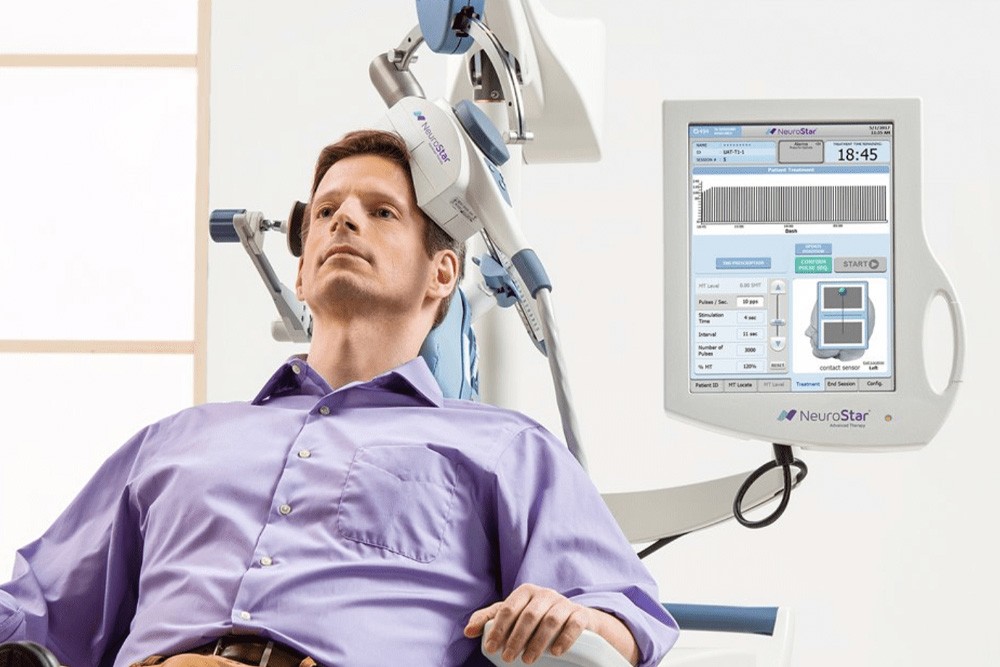
During TMS depression treatment, clinicians focus magnetic energy on these areas using a magnetic coil placed on the scalp. Because the procedure does not require sedation or surgery, patients remain awake throughout the session.
The main features of TMS depression therapy are:
- Non-surgical and outpatient-based
- No systemic drugs are used
- Administered in-office by trained clinicians
- Carried out over a series of scheduled sessions
- Approved and FDA cleared for depression
How TMS Differs from Other Mental Health Treatments
Unlike antidepressant medications, which affect neurotransmitters throughout the body, TMS depression treatment targets specific brain circuits associated with mood and emotional regulation. Because of this, it may be considered for adults who:
- Have failed to respond to multiple medication trials
- Experience side effects from antidepressants
- Prefer non-pharmacological approach
- Require supplementary therapy as well as additional support
Importantly, TMS is not electroconvulsive therapy, does not cause seizures, and does not result in memory impairment when administered according to established guidelines.
Who May Be Considered for TMS Depression Treatment
A psychiatrist determines eligibility for TMS depression treatment through a comprehensive evaluation. At SNBCare, this process includes:
- Review of psychiatric and medical history
- Documentation of prior treatment trials
- Assessment for current symptoms and level of functioning
- Safety Screening for Exclusion of Contraindications
TMS may be considered for adults who: - Have a diagnosis of Major Depressive Disorder.
- Have tried multiple antidepressants without adequate improvement
- Continue to have symptoms that impact daily living.
- Treatment will always be determined on a case-by-case basis.
Ultimately, treatment decisions are made on a case-by-case basis.
The Role of Behavioral Health Providers in TMS Care
Behavioral health providers play a central role in determining whether TMS depression treatment is appropriate. These providers may include psychiatrists, psychiatric nurse practitioners, and other licensed professionals working within behavioral health clinics or agencies.
At SNBCare, providers collaborate throughout the treatment process. During a psychiatry appointment, clinicians assess symptoms, review treatment history, and discuss available options. When appropriate, TMS may be included as part of a broader mental treatment plan that also involves therapy, medication management, or additional supports.
What to Expect During TMS Depression Treatment
Initial Evaluation and Mapping
Before starting TMS depression treatment, clinicians conduct an initial mapping session to determine the appropriate stimulation location and intensity.
Treatment Sessions
- Usually held five days in a week
- Every session will take around 20-40 minutes
- Performed in an outpatient behavioral health office
- Persons may resume their daily routines afterwards
Overall, treatment courses span several weeks, depending on individual needs.
Safety and Side Effects
TMS depression treatment is generally well tolerated. Possible side effects include:
- Mild discomfort on the scalp at the treatment area
- Temporary headaches
- Facial muscle twitching during stimulation
Although rare, clinicians monitor for adverse effects and adjust treatment as needed.
Integrating TMS With Other Mental Health Services
TMS does not replace other forms of care. Instead, many adults benefit from a combination of approaches, such as:
- Individual therapy sessions
- Medication management via a psychiatry appointment
- Support from a healthcare therapist
- lifestyle and behavioral strategies
This integrated approach reflects modern mental healthcare, emphasizing individualized and flexible treatment rather than a one-size-fits-all model.
Accessing TMS Depression Treatment at SNBCare
SNBCare is a licensed outpatient behavioral health provider offering evidence-informed mental health services for adults. Services are available to individuals physically located in Massachusetts or Rhode Island at the time of their appointment.
Main points:
- TMS is only offered in-office.
- Services are for adults (18+).
- All treatment recommendations derive from clinical appropriateness
- The availability of the provider may vary
Some individuals find SNBCare while searching terms such as “psychiatrist near me depression,” “depression and anxiety psychiatrist near me,” or “mental wellness center near me.” The focus remains ethical, structured, and patient-centered care.
When to Consider Reaching Out for Additional Support
If depression continues to interfere with daily functioning, it may help to consult a licensed professional about additional treatment options. Re-evaluating care is not a failure, but a responsible step in ongoing mental health management.
A behavioral health provider can assist in reviewing treatment history and determining whether TMS depression treatment may be appropriate.
Frequently Asked Questions About TMS Depression Treatment
Is TMS Curative for Depression?
No. TMS depression treatment is not a cure and does not guarantee results. It is one option among many supportive treatments.
Does TMS replace therapy or medication?
No. Some people might be undergoing treatment with therapy and/or drugs simultaneously with TMS.
Can TMS be delivered through telehealth?
No. TMS is an in-office medical procedure and cannot be delivered through telehealth depression or telemedicine depression services.
How long does improvement take?
Response times differ. Some people notice improvement during treatment, and others notice improvement after treatment.
The Importance of Individualized Mental Treatment
Effective mental health care relies on individualized planning. What benefits one person may not benefit another. Therefore, treatment decisions should always involve professional guidance.
Whether beginning with online therapy for depression, scheduling a psychiatry appointment, or discussing TMS depression treatment, the goal remains ethical, supportive, and patient-centered care.
Disclaimer
This content is for informational purposes and is sponsored by SNBCare, a licensed behavioral health provider serving adults in Massachusetts and Rhode Island. It is not a substitute for professional medical advice, diagnosis, or treatment. Always consult a licensed provider with questions regarding your mental health or treatment options.