Depression magnetic therapy is an innovative, non-invasive treatment option for adults struggling with depression who have not fully responded to traditional therapies. At SNBCare, we provide Transcranial Magnetic Stimulation (TMS), a clinically validated procedure designed to help adults regain control over their mental wellness. This therapy combines advanced technology, evidence-informed protocols, and compassionate clinical care for patients physically located in Massachusetts or Rhode Island at the time of their appointment.
What is Depression Magnetic Therapy?
Depression magnetic therapy refers to TMS, a treatment that uses magnetic fields to stimulate nerve cells in the brain. Unlike medications, TMS does not require systemic ingestion of drugs and is generally well-tolerated. The goal is to support adults in managing depressive symptoms and improving mood, energy, and overall functioning, with a plan tailored by a licensed psychiatrist.
TMS is typically recommended for adults who have tried standard treatments such as psychotherapy, antidepressants, or combination approaches but continue to experience persistent symptoms. It is a clinically supervised procedure performed by trained behavioral health professionals within a regulated outpatient setting.
How Does Depression Magnetic Therapy Work?
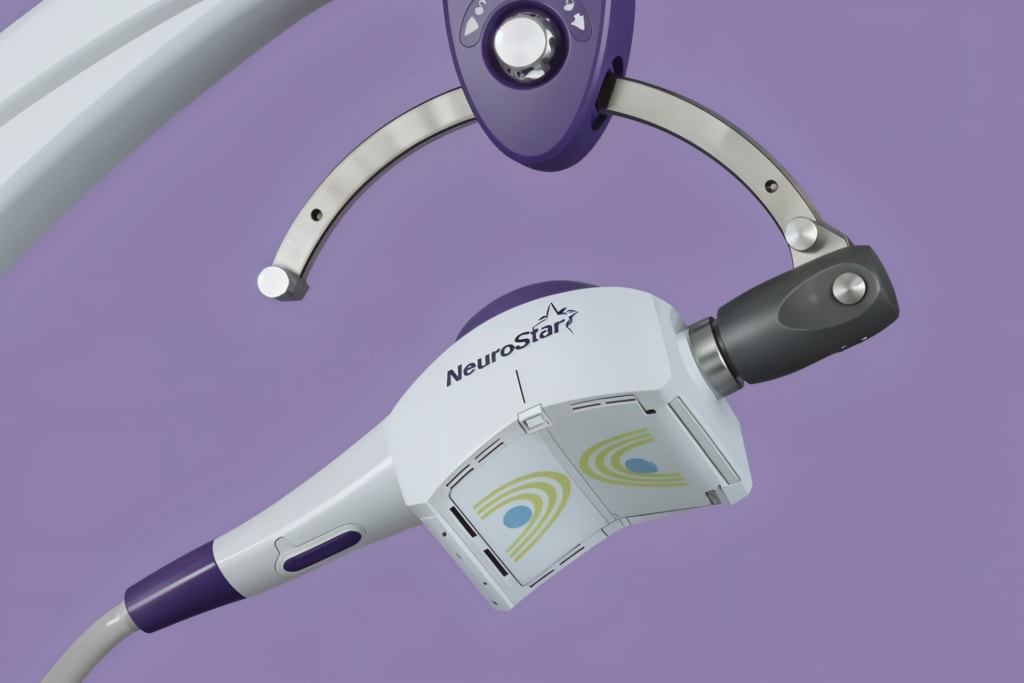
Depression magnetic therapy (TMS) uses a magnetic coil placed near the forehead to generate brief pulses of magnetic energy. These pulses target specific regions of the brain, primarily the prefrontal cortex, which is involved in mood regulation and cognitive function. By stimulating these brain regions, TMS can encourage neuronal activity that may support improvements in mood and other depressive symptoms.
Key points about the therapy:
- Non-invasive: No surgery or anesthesia is required.
- Outpatient treatment: Conducted in a clinical setting, allowing patients to return home after each session.
- Individualized plans: Treatment frequency and intensity are determined by a licensed provider based on clinical evaluation.
While TMS is FDA-cleared for treatment-resistant depression, each session and protocol is customized to meet the specific needs of the patient.
Who Can Benefit from Depression Magnetic Therapy?
Depression magnetic therapy may be appropriate for adults experiencing:
- Major depressive disorder not responding fully to medications.
- Persistent depressive symptoms despite psychotherapy.
- Depression associated with other mental health conditions such as anxiety or ADHD in adults.
- Situations where traditional antidepressant side effects are a concern.
At SNBCare, licensed providers evaluate each patient before recommending TMS, ensuring treatment plans are safe, ethical, and aligned with evidence-informed guidelines. Patients are never treated without a thorough clinical assessment that considers medical history, current medications, and individual treatment goals.
The Treatment Process at SNBCare
Depression magnetic therapy at SNBCare follows a structured and personalized approach:
- Comprehensive Assessment
Before beginning TMS, a licensed psychiatrist reviews the patient’s mental health history, prior treatments, and current symptoms. This ensures that depression magnetic therapy is clinically appropriate. - Treatment Planning
A custom plan is developed based on the patient’s clinical needs, which may include the number of sessions, duration of each session, and treatment intensity. - TMS Sessions
Sessions usually last 30–40 minutes. Patients remain awake and alert while seated comfortably in a chair. The magnetic coil is positioned over the targeted brain region, and brief magnetic pulses are delivered according to the individualized treatment plan. - Monitoring and Follow-up
Licensed providers continuously monitor the patient’s progress, adjusting parameters as needed. Follow-up visits and assessments help ensure that treatment aligns with the patient’s evolving needs. - Integration with Comprehensive Care
Depression magnetic therapy can be part of a broader mental treatment plan including individual therapy sessions, medication management, or lifestyle interventions such as sleep and stress management.
Safety and Side Effects
Depression magnetic therapy (TMS) is generally well-tolerated. The most common side effects are mild and temporary, including:
- Scalp or forehead discomfort at the stimulation site.
- Tingling sensations during the procedure.
- Mild headaches following sessions.
Serious side effects, such as seizures, are extremely rare and only occur under specific conditions. All treatments are provided under the supervision of trained, licensed providers to maximize safety and efficacy.
Patients are evaluated individually to determine whether TMS is appropriate, ensuring that all medical considerations, including neurological or cardiac conditions, are addressed before treatment begins.
Advantages of Depression Magnetic Therapy
Choosing depression magnetic therapy at SNBCare offers several benefits:
- Evidence-informed care: TMS is FDA-cleared and supported by clinical research for treatment-resistant depression.
- Non-systemic: No oral medications or injections required for the therapy itself.
- Flexible scheduling: TMS sessions can be integrated into daily routines with in-person appointments at our Massachusetts offices.
- Adult-focused care: Services are tailored for adults only, aligning with SNBCare’s licensing and regulatory compliance.
- Supportive clinical environment: Treatment is delivered in a private, HIPAA-compliant setting, either in-person or through telehealth follow-ups.
What to Expect During Your First Visit
- During your initial consultation at SNBCare, patients can expect:
- A detailed review of mental health history and prior treatments.
- Education about depression magnetic therapy and its mechanism of action.
- Discussion of potential benefits, risks, and realistic expectations.
- Scheduling of treatment sessions if clinically appropriate.
All patients are provided with clear information so they can make informed decisions about their care.
Integration with Other Mental Health Services
TMS works best when integrated with other mental wellness services, including:
- Individual therapy sessions for emotional support and coping strategies.
- Psychiatry appointments for evaluation and medication management if needed.
- Lifestyle interventions, such as sleep, nutrition, and stress management coaching.
- Telehealth for anxiety and depression follow-ups to monitor progress between sessions.
SNBCare’s interdisciplinary approach ensures that patients receive a comprehensive, individualized mental health plan.
FAQs About Depression Magnetic Therapy
Q: Is TMS painful?
A: Patients typically feel mild tapping or tingling on the scalp. Most find it tolerable and report minimal discomfort.
Q: How many sessions are needed?
A: Treatment plans vary, but most patients undergo daily sessions (five times a week) for four to six weeks.
Q: Can TMS replace medication?
A: TMS is an adjunct or alternative for patients who have not fully responded to medication. Decisions are made on a case-by-case basis by licensed providers.
Q: Who should not receive TMS?
A: Individuals with metal implants near the head, certain seizure disorders, or other specific medical conditions require evaluation by a psychiatrist to determine eligibility.
Why Choose SNBCare for Depression Magnetic Therapy
At SNBCare, we combine technology, evidence-based practices, and compassionate care to offer depression magnetic therapy in a safe, adult-focused environment. Key highlights:
- Licensed and experienced behavioral health providers.
- HIPAA-compliant in-person and telehealth appointments in Massachusetts and Rhode Island.
- Individualized treatment plans based on clinical assessment.
- Integration with therapy, medication management, and other mental health services.
- Commitment to patient education, transparency, and support throughout the process.
Taking the First Step
Seeking help for depression is a courageous decision. Scheduling a consultation for depression magnetic therapy at SNBCare is the first step toward exploring clinically validated treatment options. Adults in Massachusetts and Rhode Island can contact our office to discuss whether TMS fits their individual needs and goals.
Conclusion
Depression magnetic therapy (TMS) is a safe, non-invasive, and evidence-informed approach for adults who have struggled with depression despite traditional treatments. At SNBCare, our team of licensed behavioral health professionals integrates TMS into comprehensive mental wellness plans, combining therapy, medication management, and personalized support.
Every patient receives a carefully crafted plan grounded in clinical appropriateness, safety, and individual needs. With compassionate guidance and professional care, adults can access a treatment that supports their journey toward improved mental health.
Disclaimer
This content is for informational purposes and is sponsored by SNBCare, a licensed behavioral health provider serving adults in Massachusetts and Rhode Island. It is not a substitute for professional medical advice, diagnosis, or treatment. Always consult a licensed provider with questions regarding your mental health or treatment options.